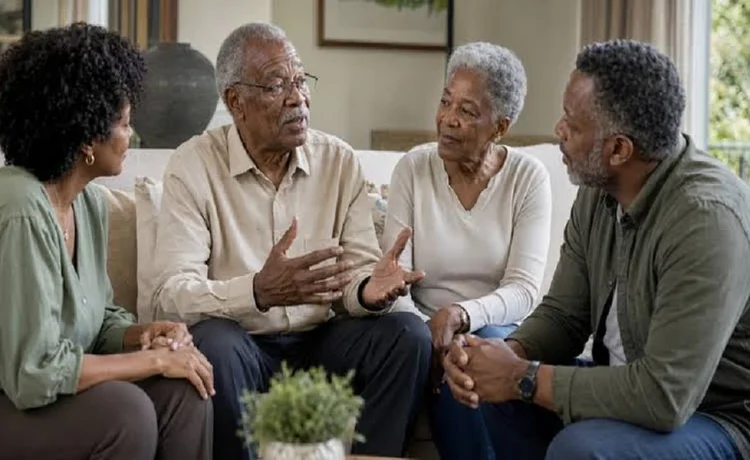
What does a dygtig parterapeut København help couples with?
A dygtig parterapeut København helps partners understand what keeps going wrong and create healthier ways of responding to each other.
You sit together after another difficult evening, both exhausted by the same conversation. One of you feels that nothing ever changes. The other feels criticised before you have even finished explaining yourself. You may still care deeply about each other, but lately even simple conversations seem to become complicated. A small disagreement about plans turns into a discussion about the whole relationship. Then someone goes quiet, leaves the room, or says something they regret.
If this feels familiar, the problem may not be that you have stopped loving each other. Sometimes the relationship has simply developed ways of dealing with tension that no longer work.
When Every Conversation Starts With The Last One
Many couples do not argue about one thing at a time.
A partner asks, “Are you coming home late again?” but the other hears, “You never make time for me.”
Someone says, “Can you help with this?” and hears back, “I do everything around here.”
The original question disappears, and suddenly both partners are defending themselves against a much larger accusation.
Over time, this can create a strange situation. You begin preparing for your partner’s reaction before they have even spoken. You choose your words carefully, avoid certain subjects, or decide that it is easier to say nothing.
That may reduce arguments temporarily, but it does not necessarily create closeness.
A dygtig parterapeut København can help a couple look at this process without turning either partner into the problem. The focus becomes the interaction itself: what happens between you, how it develops, and where it could change.
The Moment That Changes The Direction
One of the most important shifts in relationship work is moving away from the question:
“Who is causing this?”
and towards:
“What happens between us when this starts?”
This does not mean ignoring hurtful behaviour or pretending everything is equal. It means becoming curious about the pattern instead of automatically building a case against your partner.
For example, imagine one partner becomes upset because they feel ignored. They speak more forcefully. The other partner experiences this as criticism and withdraws. The withdrawal makes the first partner feel even more abandoned, so they push harder.
Now both people believe the other person is creating the problem.
But there is another way to see it.
They are caught in a loop.
Once the couple can recognise that loop, they have something they can actually work with.
Try Changing One Small Part Of The Pattern
You do not need to solve your entire relationship in one conversation. Start by changing what happens at one specific moment.
1. Notice the turning point
Think about your most common disagreements. What usually happens immediately before the conversation changes from manageable to difficult?
Is it a particular tone of voice, a criticism, silence, walking away, bringing up the past, or feeling misunderstood?
Finding this turning point gives you something concrete to work on.
2. Describe your experience instead of your partner’s character
Compare these two statements:
“You never care about what I need.”
“I start feeling unimportant when we keep postponing this conversation.”
The second statement does not guarantee a perfect response, but it gives your partner something they can understand rather than something they have to defend themselves against.
3. Ask one question before responding
When your partner says something difficult, resist the urge to immediately explain yourself.
Try:
“What is the most important thing you want me to understand?”
Then listen to the answer.
You do not have to agree with everything your partner says. Understanding and agreeing are not the same thing.
4. Give the conversation a pause when necessary
A pause should not be used as punishment or avoidance.
If emotions are becoming too intense, say that you need some time and clearly state when you will return to the conversation. A short break can prevent both partners from saying things that create another problem on top of the original one.
What A Good Therapist Can See That Couples Often Miss
When you are inside a difficult relationship pattern, it can be surprisingly hard to see the whole picture.
You know what your partner said. You know what you felt. You remember what happened last time.
What you may not notice is how quickly the two of you move from one emotional position to another.
A skilled therapist can slow that process down.
A dygtig parterapeut København does not simply decide who is right. The aim is to help both partners understand their own reactions, recognise the other person’s experience, and develop a different way of meeting each other when pressure rises.
This can be particularly valuable when couples have already had the same conversation many times and still end up in exactly the same place.
Sometimes another conversation is not what is missing.
A different way of having the conversation is.
You Do Not Have To Wait Until Everything Feels Broken
Couples sometimes seek help only after years of frustration. By then, resentment can make even small changes feel difficult.
But relationship support does not have to be reserved for a crisis.
You can seek help when you notice that communication is becoming harder, affection has changed, you keep avoiding important subjects, or you simply want to understand each other better.
The goal is not to create a relationship where disagreements never happen. That is unrealistic.
A healthier relationship is one where difficult moments do not automatically become evidence that the relationship is failing.
There can be room for disagreement, disappointment, different needs and strong emotions without losing sight of the person beside you.
If you are considering a dygtig parterapeut København, look for someone who helps you understand the relationship as a shared process while still respecting each partner as an individual.
You may not be able to change everything that has happened between you.
But you can change what you do with what happens next.
And sometimes that is where a relationship begins to feel possible again.