Key Takeaways
- Multi-generational events require menus that balance familiarity, accessibility, and variety.
- Buffet-style catering in Singapore remains practical for events with mixed age groups and dietary preferences.
- Finger foods and live stations can improve flexibility and guest movement during social gatherings.
- Dessert selections should consider both traditional and modern preferences.
- Careful menu planning helps improve the overall experience for guests of different age groups.
Introduction
Planning food for a multi-generational event can be more complicated than planning for a single age group. Children, teenagers, working adults, and elderly guests often have different eating habits, dietary restrictions, and expectations during social gatherings. This instance is why menu selection plays a major role in the success of family celebrations, birthdays, anniversaries, and festive events.
Many providers offering catering in Singapore are seeing increased demand for flexible menus that can accommodate broader guest demographics. Instead of focusing on one cuisine style or presentation format, hosts are now choosing menu arrangements that offer variety, convenience, and practical serving options. That said, when selecting party catering, understanding which menu styles work best for mixed-age events can help reduce food wastage and improve guest satisfaction.
1. Buffet Menus With Balanced Cuisine Selections
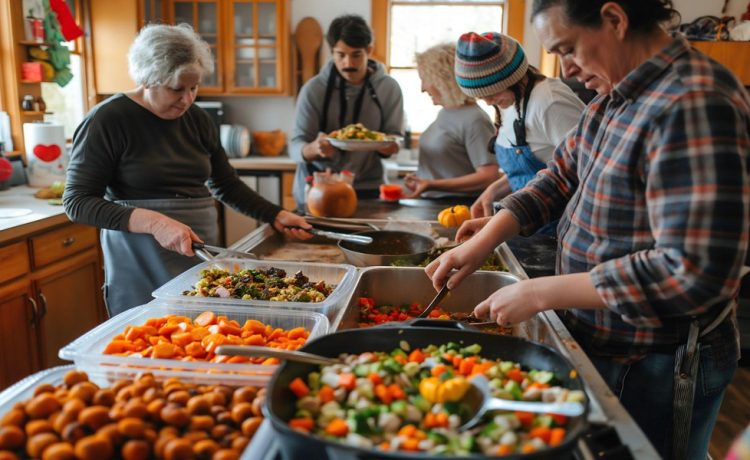
Buffet catering remains one of the most practical choices for multi-generational gatherings because it allows guests to select food according to their preferences and portion sizes. Younger guests may prefer fried snacks, pasta, or grilled items, while older attendees may look for rice dishes, soups, steamed fish, or lighter options.
A balanced buffet menu usually includes a mix of proteins, vegetables, carbohydrates, and desserts without leaning too heavily towards trendy or niche cuisines. Event planners also tend to avoid overly spicy, heavily seasoned, or difficult-to-eat dishes when preparing menus for broad family audiences.
Another advantage of buffet setups is flexibility in pacing. Elderly guests may prefer eating earlier and at a slower pace, while younger guests may return for additional servings throughout the event. This format also reduces pressure on serving staff compared to plated dining arrangements during larger gatherings.
2. Finger Food Catering for Flexible Social Interaction
Finger food menus work well for casual celebrations where guests are expected to move around, socialise, or participate in activities. This style is commonly used during birthdays, engagement parties, and housewarming events where formal seating arrangements may not be available for every guest.
Mini sandwiches, skewers, spring rolls, pastry bites, and small desserts are easier for both younger and older guests to consume without requiring full dining setups. Children can eat smaller portions more comfortably, while elderly guests may appreciate lighter snacks that are easier to handle.
This format also supports better crowd movement in limited spaces. Instead of long buffet queues forming at fixed stations, finger foods can be circulated continuously by service staff. Providers specialising in party catering in Singapore often recommend this approach for indoor venues with restricted layouts or shorter event durations.
In addition, finger food menus can easily accommodate dietary variations by offering vegetarian, seafood, or non-spicy options separately. This approach reduces confusion for guests with dietary restrictions and simplifies serving logistics during busy periods.
3. Live Food Stations for Interactive Dining
Live food stations have become increasingly common at family-oriented events because they create interaction while offering freshly prepared meals. Stations serving satay, noodles, carving meats, pasta, or local snacks allow guests to customise portions and ingredients based on their preferences.
This setup appeals to multiple age groups for different reasons. Younger guests often enjoy the novelty and visual aspect of live preparation, while older guests may appreciate food being cooked fresh instead of sitting for extended periods in warmers.
From an operational standpoint, live stations also help distribute crowds across multiple serving points. Instead of concentrating guests around one buffet line, movement becomes more spread out throughout the venue. This instance can improve flow during larger events with several generations attending simultaneously.
Many companies involved in catering now integrate live stations into standard buffet packages because they support both entertainment and food service efficiency during large-scale celebrations.
4. Mixed Traditional and Modern Dessert Tables
Dessert preferences often vary significantly between generations. Older guests may prefer traditional items such as red bean soup, kueh, or bread-based desserts, while younger attendees may gravitate towards cakes, mousse cups, brownies, or ice cream stations.
A mixed dessert table helps cater to both preferences without overcomplicating the menu. Offering smaller portions across a wider dessert variety is often more effective than providing one large signature dessert item.
Dessert tables also contribute to event pacing. Guests who may not consume heavy main meals can still participate socially around snack and dessert areas later in the event. This instance becomes particularly important during long celebrations where food service extends across several hours.
That said, for event organisers handling family celebrations, combining traditional and modern dessert formats can help maintain broader appeal while keeping food presentation organised and practical.
Conclusion
Multi-generational events require catering menus that prioritise flexibility, accessibility, and balanced food selections. Buffet spreads, finger foods, live stations, and mixed dessert tables each serve different operational and guest experience purposes during family-oriented gatherings.
Remember, when planning party catering in Singapore, selecting menu styles that accommodate varied age groups can improve dining flow, reduce service challenges, and create a more comfortable experience for all attendees.
Contact Elsie’s Kitchen and explore catering solutions designed to keep every generation comfortably fed throughout the event.