

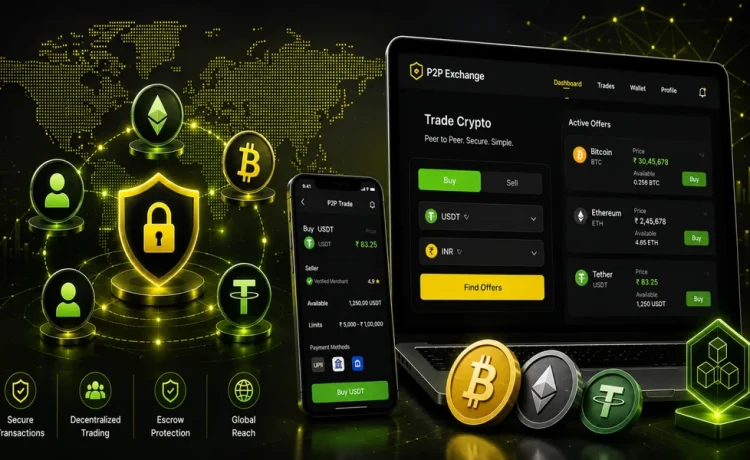

Decentralised finance removed intermediaries that traditional gaming markets require. Smart contracts execute in-game trades automatically between players without centralised control or oversight. This architectural shift unlocks gameplay capabilities impossible in conventional exchange models. Players exploring crypto.games gain trading capabilities that fundamentally change how they interact with their digital game assets.
Direct wallet control over game assets
You never surrender custody of your in-game assets. That’s the fundamental difference. Centralised game platforms require depositing funds into their wallets, creating exposure to hacks, mismanagement, and sudden platform closures that have destroyed billions in player funds. Decentralised exchanges work differently for game asset trading. Smart contracts facilitate trades directly between your wallet and another player’s wallet. You hold private keys throughout every game session. Game assets stay in your possession until the exact moment a trade executes, then immediately transfer back under your control. No withdrawal requests. No daily limits. No frozen accounts during volatile gameplay periods. Traditional game platforms can block your access for any reason. They control your assets once you deposit them. Decentralised exchanges eliminate that risk because they never take possession of your game holdings. Your keys, your game assets actually mean something here.
Permissionless access for all players worldwide
Nobody can block you from participating in blockchain game markets. Centralised game platforms operate under regulatory frameworks that force them to exclude players from certain countries and demand extensive verification documents. Decentralised exchanges have no such restrictions for game asset trading. Every player with internet access can trade immediately. Zero paperwork. Zero approval processes. Zero geographic discrimination. This matters enormously for players in regions with limited banking infrastructure or restrictive financial regulations. The system doesn’t care where you live, how much you’ve spent on games, or who you are. Every player gets identical market access from day one. New game token launches appear on decentralised exchanges immediately, often weeks before centralised platforms complete their lengthy listing procedures. Early access creates opportunities that geographically restricted players never see.
Enhanced privacy protection for game players
Your game trading activity stays pseudonymous. Transactions connect to wallet addresses, not personal player identities. While blockchain data remains public, it doesn’t link directly to your name, address, or government identification. Decentralised exchanges require no email addresses, phone numbers, or identity documents from players. Your game trading history is associated with your wallet, not your personal profile. Compare that to traditional game platforms that collect extensive personal data, track every transaction, and often share information with governments or third parties. For any player valuing financial discretion, this represents a massive advantage over conventional game platforms that treat privacy as negotiable.
Diverse game token availability
The selection of tradable game tokens dwarfs what centralised platforms offer. Major exchanges list only game tokens meeting strict internal criteria, favouring established projects with substantial trading volume. Decentralised exchanges let any game token trade immediately once liquidity exists. This open structure means thousands of smaller game projects, brand new game launches, and experimental play-to-earn tokens become tradable instantly. Game developers create liquidity pools within minutes, enabling price discovery for new game assets without waiting for platform approval. That accessibility cuts both ways. More selection means more due diligence falls on individual players, since anyone can create game token trading pairs without oversight or quality control.