Key Highlights
- Standard office chairs provide basic seating but often lack the adjustments needed for long-term health.
- Ergonomic chairs are specifically designed to support the natural curvature of the spine.
- Adjustability is the primary factor that distinguishes ergonomic models from basic seating options.
- Investing in better seating can significantly reduce the risk of back pain and improve focus.
Introduction
As the nature of work continues to shift towards digital environments, many professionals find themselves seated for eight hours or more every day. While a desk and a laptop are the primary tools of the trade, the chair you sit in is arguably the most important piece of equipment for your long-term health. When shopping for workspace furniture, you will encounter two main categories: the standard office chair and the more specialised ergonomic chair. While they might look similar at first glance, the differences in how they support the human body are profound. Choosing the wrong seat can lead to chronic pain and fatigue, while the right choice can boost productivity and well-being. This article examines both options to determine which is truly better for those marathon working sessions.
The Basic Function of a Standard Office Chair
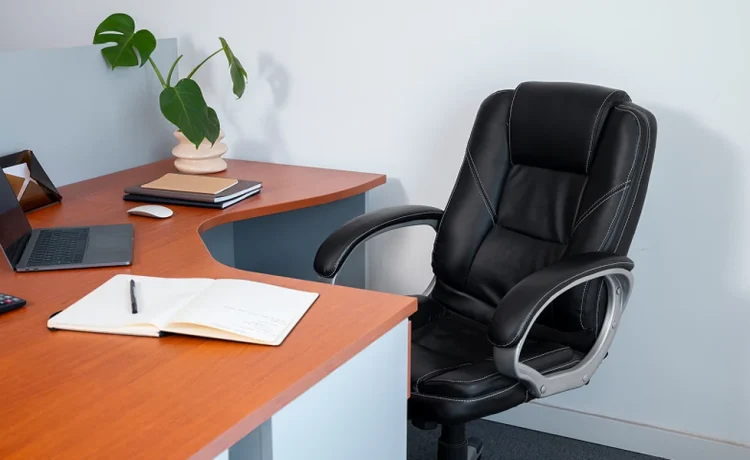
A standard office chair is typically designed with a one-size-fits-all mentality. These chairs are widely available, often at lower price points, and serve the basic purpose of providing a place to sit. They usually feature a swivel base, wheels for mobility, and a simple lever for height adjustment. For short tasks, such as checking emails or paying bills, a standard chair is often perfectly adequate. They come in various styles and materials, making them easy to match with existing home decor.
However, the limitations of a standard office chair become apparent during extended use. They often lack sufficient lumbar support, which can lead to slouching and strain on the lower back. The armrests are frequently fixed in place, which may not align with your desk height, causing tension in the shoulders and neck. While they are functional and cost-effective, they are generally not built to accommodate the unique physical requirements of different body types over long periods.
The Science Behind the Ergonomic Chair
In contrast, an ergonomic chair is engineered with the human body’s biomechanics in mind. The primary goal of an ergonomic design is to provide support that minimises strain and promotes a healthy posture. Unlike standard models, these chairs are highly adjustable. Key features typically include adjustable lumbar support, seat depth, armrest height, and even headrest positions. This allows the user to customise the chair to their specific body proportions, ensuring that the spine remains in its natural S curve.
Using an ergonomic chair helps to distribute weight evenly across the seat and backrest, reducing pressure on the hips and thighs. Many models also feature a tilt mechanism that allows for dynamic sitting, where the chair moves with the user. This encourages small movements throughout the day, which can improve blood circulation and prevent muscles from becoming stiff. For anyone who spends the majority of their day at a desk, the ability to fine-tune their seating position is a game-changer for both comfort and health.
Impact on Productivity and Long-Term Health
The choice between these two types of chairs has a direct impact on your performance at work. Physical discomfort is one of the biggest distractions in a home office. If you are constantly shifting in your seat or dealing with a dull ache in your shoulders, your ability to focus on complex tasks diminishes. By providing a comfortable and supportive environment, an ergonomic chair allows you to stay in the zone for longer periods.
Beyond immediate comfort, the long-term health benefits are significant. Poor seating posture is a leading cause of musculoskeletal disorders, which can lead to chronic pain and even require medical intervention. An ergonomic chair acts as a preventative tool, protecting your back, neck, and wrists from the repetitive strain of office work. While the initial investment might be higher than a standard office chair, the savings in terms of health and productivity make it a much more valuable choice for the serious professional.
Choosing Based on Your Specific Needs
When deciding which chair to buy, consider your daily routine. If your desk use is sporadic and brief, a stylish and affordable office chair may be all you need. However, if your career involves long hours of focused computer work, an ergonomic model is no longer a luxury-it is a necessity. Look for chairs that offer at least five points of adjustment and are made from breathable materials like mesh to keep you cool during the day.
It is also worth noting that no chair can compensate for a lack of movement. Even with the best ergonomic chair, it is important to take regular breaks and stretch. However, having a chair that supports you correctly when you are seated provides the foundation for a sustainable and healthy working life. By matching the chair to the intensity of your work, you ensure that your home office is a place where you can thrive.
Conclusion
While both types of chairs have their place in the modern office, the ergonomic chair is the clear winner for anyone facing long working hours. The ability to adjust the seat to fit your unique physical needs is essential for preventing pain and maintaining focus. A standard office chair may be easier on the budget initially, but the long-term support provided by ergonomic technology is an investment in your most important asset: your health.
Contact Harvey Norman Malaysia today to find the chair that supports your best work.