An air conditioner that runs constantly but fails to keep your home comfortable is more than an inconvenience. Reduced cooling performance can increase energy bills, place extra strain on the system, and eventually lead to expensive repairs. Many homeowners assume the unit simply needs more refrigerant, but several different issues can cause poor cooling. This article explains the most common reasons an air conditioner loses cooling performance, how these problems affect the system, and when professional service becomes the best solution.
Dirty Air Filters Restrict Airflow
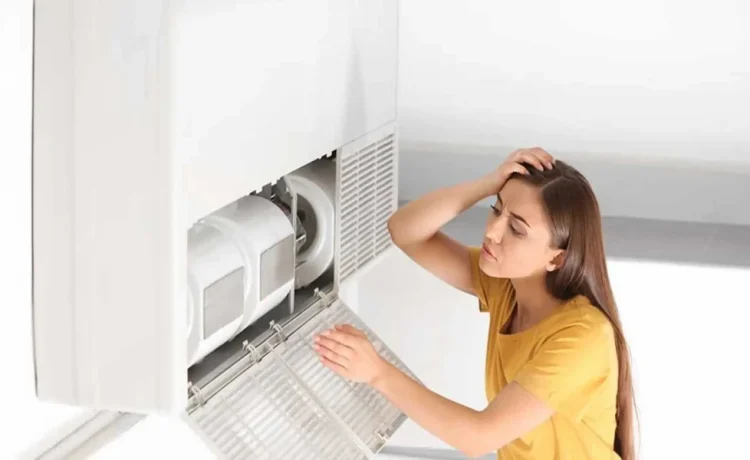
Restricted airflow is one of the most common reasons an air conditioner struggles to cool a home. For example, AC repair and maintenance services frequently begin by inspecting the air filter because a clogged filter limits the amount of air moving through the system. Reduced airflow forces the equipment to work harder while delivering less cooled air into each room.
As airflow decreases, the evaporator coil may also become too cold and begin to freeze. This creates an even greater reduction in cooling capacity and increases strain on important system components. Replacing filters on schedule helps maintain proper airflow and system efficiency.
Low Refrigerant or Refrigerant Leaks
Refrigerant absorbs heat from inside the home and releases it outdoors. If refrigerant levels become low because of a leak, the system cannot remove heat efficiently, even if the air conditioner continues running. Simply adding refrigerant without repairing the leak usually does not solve the underlying problem.
Signs of refrigerant issues may include:
- Longer cooling cycles
- Warm air from supply vents
- Ice forming on refrigerant lines
- Higher energy bills
Professional leak detection and repairs help restore proper cooling while protecting the system from additional damage.
Dirty Coils Reduce Heat Transfer
Both the indoor evaporator coil and outdoor condenser coil must remain clean for efficient operation. Dust, grass clippings, leaves, and other debris create a barrier that reduces heat transfer. As a result, the air conditioner works longer to achieve the same indoor temperature. For example, a homeowner may notice the system running almost continuously during warm weather even though the thermostat is set correctly. Dirty coils reduce efficiency, increase energy consumption, and shorten the lifespan of important components if left untreated.
Thermostat or Electrical Problems Affect Performance
Cooling problems do not always begin inside the air conditioner itself. Faulty thermostats, worn electrical connections, damaged capacitors, or failing contactors may prevent the system from operating correctly. Small electrical problems can gradually reduce performance before causing a complete breakdown. Homeowners using AC repair and maintenance services can benefit from inspections that include thermostat calibration and electrical testing. Identifying these issues early helps prevent unexpected failures while keeping the system operating more consistently throughout the cooling season.
Delayed Repairs Can Lead to Bigger Problems
Small cooling issues rarely improve without attention. Reduced airflow, refrigerant leaks, dirty coils, or electrical concerns place additional stress on compressors, blower motors, and other major components. What begins as reduced cooling performance may eventually develop into a much more expensive repair.
Experienced HVAC technicians use specialized tools to identify the actual cause instead of replacing parts based on guesswork. Professional inspections also include airflow measurements, refrigerant testing, electrical diagnostics, and overall system evaluations that help restore efficient operation while preventing future problems.
Professional service plays an important role when an air conditioner no longer cools as expected. Accurate diagnosis, timely repairs, and routine maintenance help resolve underlying problems before they damage other components. Addressing cooling concerns early allows homeowners to improve comfort, reduce energy costs, and extend the life of their air conditioning system.