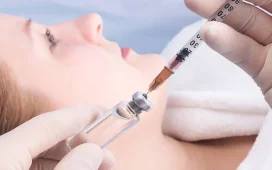
Tretinoin represents a prescription medication derived from vitamin A that dermatologists commonly prescribe for acne treatment. This topical retinoid accelerates skin cell turnover while preventing pore blockages, leading to acne formation. The medication targets multiple aspects of acne development, including comedone formation, inflammation reduction, and skin texture improvement. Tretinoin requires careful application and gradual introduction to minimise initial skin irritation while maximising therapeutic benefits for various acne severities. tretinoin cream offers proven acne treatment benefits through multiple mechanisms that address active lesions and prevent future breakouts.
Cellular renewal mechanisms
NextClinic dermatologists explain that tretinoin functions by binding to specific receptors within skin cells that control cell division and differentiation processes. This binding action accelerates the natural skin renewal cycle from approximately 28 days to a faster turnover rate, preventing dead skin cell accumulation. The accelerated renewal process helps clear existing comedones while preventing new ones from forming by maintaining clear pore pathways. The medication also normalises keratinisation processes that become disrupted in acne-prone skin. This normalisation prevents microcomedones from forming, precursors to visible acne lesions. The cellular regulation extends beyond surface improvements to influence deeper skin layer functions that maintain long-term acne prevention.
Anti-inflammatory properties
Tretinoin provides anti-inflammatory benefits that reduce the redness and swelling associated with inflammatory acne lesions. The medication modulates inflammatory pathways within the skin that contribute to papule and pustule formation. This anti-inflammatory action works alongside the exfoliating properties to address both comedonal and inflammatory acne types. The inflammation reduction occurs gradually as the skin adjusts to tretinoin application. Initial treatment periods may show temporary inflammation increases as the medication purges existing comedones. This purging phase typically resolves within several weeks as the skin adapts to the treatment regimen.
Application guidelines
Proper tretinoin application requires techniques that maximise benefits while minimising adverse reactions during the adjustment period.
- Start with small amounts applied every other night to allow skin adaptation
- Use sunscreen daily, as tretinoin increases photosensitivity and UV damage risk
- Apply to clean, dehydrated skin to prevent increased absorption and irritation
- Avoid concurrent use of harsh exfoliants or alcohol-based products during the initial weeks
- Introduce gradually by increasing application days as skin tolerance develops
- Moisturise regularly to counteract dryness and peeling that commonly occur initially
These application methods help minimise the retinoid dermatitis that can occur during early treatment phases. Proper technique ensures optimal medication penetration while reducing uncomfortable side reactions that might discourage continued use.
Maintenance considerations
Long-term tretinoin use requires ongoing attention to skin hydration and sun protection measures that support continued treatment benefits.
- Daily broad-spectrum sunscreen application prevents UV-induced skin damage and hyperpigmentation
- Regular moisturiser use maintains skin barrier function during continued tretinoin therapy
- Periodic dermatologist evaluations assess treatment progress and adjust concentrations as needed
- Gentle cleansing routines support tretinoin action without causing additional skin irritation
- Gradual concentration increases may enhance results for patients who tolerate initial concentrations well
- Combination therapies with other acne medications can provide synergistic treatment benefits
These maintenance practices ensure tretinoin provides optimal acne control while preserving skin health during extended treatment periods. Consistent application combined with appropriate supportive care creates sustainable acne management approaches. The medication requires patience during initial adjustment periods, but it improves skin clarity and texture. Proper application techniques and realistic timeline expectations help patients achieve optimal results while minimising treatment-related skin irritation during adaptation.