Rodents carry bacteria, viruses, and parasites that can infect humans and pets. Even a brief encounter with rodent droppings, urine, or nesting materials can expose anyone to disease. Thus, people in Kent must be aware of the risks and take proactive measures to protect themselves. They can get rid of pests in Kent with the help of Saela Pest Control experts. Professionals can employ elimination methods that address the source of the issue.
Common Rodent-Borne Diseases
Rodents can transmit several illnesses, each with unique symptoms and transmission methods. Awareness of these diseases helps homeowners recognize potential exposure and act quickly.
- Hantavirus. Hantavirus is a viral infection spread through contact with rodent urine, droppings, or saliva. Inhalation of airborne particles from dried rodent waste is a common route of exposure. Symptoms include fever, fatigue, and respiratory distress. Severe cases can lead to life-threatening complications.
- Leptospirosis. This bacterial infection occurs when humans contact water or soil contaminated with rodent urine. Cuts or abrasions on the skin provide an entry point for the bacteria. Symptoms include headache, muscle pain, vomiting, and, in severe cases, liver or kidney damage.
- Salmonella. Rodents carry Salmonella bacteria in their feces, which can contaminate food or surfaces in kitchens and pantries. Infection causes diarrhea, fever, and abdominal cramps. Proper food storage and sanitation reduce the risk of exposure.
- Rat-bite fever. This results from a bite or scratch from an infected rodent. Symptoms include fever, rash, and joint pain. Timely medical attention is essential to prevent complications.
- Lymphocytic Choriomeningitis Virus (LCMV). This virus spreads through exposure to rodent urine, droppings, or saliva. Pregnant women are at higher risk, as LCMV can affect fetal development. Symptoms include fever, headache, and nausea.
How Rodents Enter Homes
Rodents enter homes as they look for food, water, and shelter, particularly during the colder months in Kent. Their common entry points include gaps around doors and windows, foundation cracks, vents, and utility lines. You can reduce the risk of diseases by preventing rodents from entering your home. Thus, you should seal gaps, repair damaged screens, and maintain doors and windows.
Steps to Keep Rodents Out
You can control rodents by taking the following steps:
- Secure food sources. Rodents may return again and again if they have access to open pantry items, pet food, and crumbs. That is why you must store all food in airtight containers made of glass, metal, or thick plastic. Do not leave pet food out overnight, and clean up spills promptly.
- Maintain clean and organized spaces. Rodents can take advantage of clutter in basements, attics, garages, and storage areas, increasing the risk of disease exposure. Organizing and cleaning these areas removes nesting options. Keep items off the floor and use plastic bins instead of cardboard for storage. Regularly inspect storage spaces to detect early signs of rodent activity, such as droppings or gnaw marks.
- Control moisture and standing water. Rodents can get water and moisture from leaky pipes, standing water, and condensation in basements or crawl spaces. Moist environments also increase the risk of mold and bacteria, which further complicates health hazards. Repair leaks promptly and use dehumidifiers where needed. Ensure proper drainage around the foundation to prevent pooling water near the home.
- Use safe traps and barriers. Snap traps or live traps placed along walls, behind appliances, and near suspected entry points capture rodents. Check traps regularly and dispose of captured rodents promptly and safely. Combine traps with physical barriers, such as sealed vents, steel mesh over utility openings, and reinforced doors, for more effective exclusion.
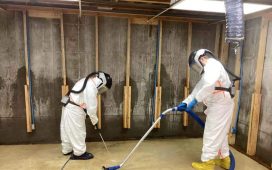
- Sanitize areas after rodent exposure. If rodent activity is suspected or detected, clean the area safely to prevent disease transmission. Do not sweep or vacuum droppings, as this can release particles into the air. Instead, use gloves and disinfectants to clean surfaces. Spray droppings, urine, or nesting material with a disinfectant or bleach solution before removing them. Dispose of waste in sealed bags. Ensure to wash your hands thoroughly afterward and launder clothing that contact the area.