Sarcoma is a rare and complex cancer that begins in connective tissues like bones, muscles, fat, and cartilage, accounting for about 1% of adult cancers. Unlike carcinomas, sarcomas can appear nearly anywhere in the body, making diagnosis and treatment challenging. Early detection is critical due to their potential aggressiveness.
There are over 50 types, generally divided into soft tissue sarcomas and bone sarcomas. Each type has distinct symptoms and treatment needs. Warning signs may include unexplained lumps, persistent pain, or swelling, especially near joints or bones. Because symptoms often appear late or are subtle, timely evaluation by a specialist is essential for effective treatment and better outcomes.
The Role Of Medical Oncologists In Treatment
Medical oncologists play a central role in sarcoma treatment, designing and managing personalized care plans. They utilize chemotherapy, targeted therapy, and immunotherapy based on the tumor’s biology and the patient’s unique needs.
Chemotherapy is often used when sarcoma has spread, with oncologists selecting and adjusting drug combinations to maximize effectiveness and minimize side effects. Beyond chemo, targeted therapies and immunotherapies offer advanced options, disrupting cancer growth pathways or activating the immune system to fight the disease. Medical oncologists guide patients through these cutting-edge treatments, ensuring responsive, comprehensive care.
The Importance Of A Multidisciplinary Approach
Facing a sarcoma diagnosis requires more than treatment—it demands a coordinated, multidisciplinary approach. Given the rarity and complexity of sarcoma, collaboration among specialists such as oncologists, surgeons, radiologists, and nurses is essential to ensure accurate diagnosis, personalized treatment, and holistic support.
Each team member contributes unique expertise, creating a tailored plan that addresses medical and emotional needs. This approach improves care coordination, enables timely adjustments, and empowers patients and families to take an active role in their journey. Multidisciplinary care is key to delivering comprehensive, patient-centered support in the face of sarcoma’s many challenges.
Key Specialists In Sarcoma Care
Sarcoma treatment requires a team of specialists working together to provide comprehensive care. Each expert plays a key role in diagnosing, treating, and supporting patients throughout their journey.
Medical oncologists oversee the treatment plan, focusing on chemotherapy and systemic therapies. They monitor how the patient responds and adjust treatments as needed. Surgical oncologists perform precise tumor removal, aiming to preserve healthy tissue. Radiation oncologists use targeted radiation to shrink or eliminate cancer cells, often before or after surgery. These core specialists are supported by radiologists, pathologists, and other professionals who provide vital diagnostic and therapeutic input.
Understanding each team member’s role helps patients feel more informed and supported throughout their treatment.
How Surgical Oncologists Contribute To Care
Medical oncologists play a central role in sarcoma treatment, designing and managing personalized care plans. They utilize chemotherapy, targeted therapy, and immunotherapy based on the tumor’s biology and the patient’s unique needs.
Chemotherapy is often used when sarcoma has spread, with oncologists selecting and adjusting drug combinations to maximize effectiveness and minimize side effects. Beyond chemo, targeted therapies and immunotherapies offer an advanced option, disrupting cancer growth pathways or activating the immune system to fight the disease. Medical oncologists guide patients through these cutting-edge treatments, ensuring responsive, comprehensive care.
The Importance Of Radiation Oncologists
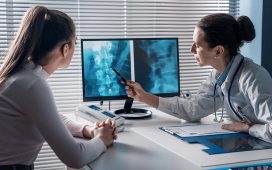
Radiation oncologists are essential members of the sarcoma care team, specializing in the precise use of high-energy radiation to destroy cancer cells. Their expertise is especially vital when tumors cannot be surgically removed or are located in complex areas. Careful treatment planning often relies on detailed imaging such as MRI scans to accurately target tumors while sparing healthy tissue. This precision helps reduce side effects and supports quicker recovery. Radiation therapy may be used before surgery to shrink tumors, after surgery to eliminate residual cancer cells, or as a standalone treatment.
Beyond curative care, radiation oncologists play a key role in palliative treatment, helping relieve pain, bleeding, or other symptoms caused by sarcomas. Their work enhances both treatment outcomes and quality of life, making them an integral part of the multidisciplinary approach to sarcoma care.
Supportive Care: The Role Of Nurses And Palliative Care Teams
While oncologists and surgeons often lead sarcoma treatment, oncology nurses and palliative care teams provide essential daily support. Nurses manage side effects, educate patients, and offer compassionate guidance, fostering trust and continuity of care. Palliative care teams focus on quality of life, addressing pain, emotional needs, and advance care planning. Together, they ensure a holistic, patient-centered approach that prioritizes comfort, dignity, and well-being.
Navigating Your Sarcoma Journey: Patient Resources
Navigating a sarcoma diagnosis can be overwhelming, but many resources are available to guide and support patients and families. Reliable information helps reduce anxiety and empowers patients to take an active role in their care.
Patient advocacy groups offer education, support groups, and patient navigators to assist with treatment coordination and decision-making. These organizations help patients connect with others who understand their journey.
Online forums and support communities provide shared experiences, advice, and encouragement. While it’s important to use trustworthy sources, these platforms can ease feelings of isolation and foster hope.
Access to these resources is essential in helping patients face sarcoma with confidence and support.
Integrative Therapies And Their Benefits
Integrative therapies like acupuncture, massage, meditation, yoga, and nutritional counseling provide valuable support alongside standard sarcoma treatments. These approaches help manage side effects, reduce stress, and enhance overall well-being.
Acupuncture can relieve pain and nausea, while massage therapy eases tension and promotes relaxation. Nutritional counseling supports healing and energy through balanced diet planning. Some patients find that mobile acupuncture treatments provide added comfort and convenience by bringing care directly to their homes during treatment.
While not a substitute for medical treatment, these therapies complement care by addressing both physical and emotional needs, empowering patients throughout their cancer journey.
Conclusion: The Power Of Teamwork In Cancer Care
The journey through sarcoma treatment highlights the importance of teamwork in cancer care. Medical oncologists, surgeons, radiation therapists, nurses, and palliative care specialists work together to provide comprehensive, patient-focused support. Their collaboration ensures all aspects of care—physical and emotional—are addressed.
This multidisciplinary approach allows for personalized treatment plans shaped by open communication and shared decision-making. Involving patients and families fosters trust and empowers individuals to take an active role in their care.
Ultimately, sarcoma patients are not alone. They can face their journey with confidence, resilience, and hope with a dedicated team and strong support networks.